Understanding the Factors Behind Gold Price Increases: Insights for Gold IRA Investors
Explore the key factors influencing gold prices and how they impact Gold IRA investments. Understand market dynamics and make informed decisions.
Gold has long been revered as a symbol of wealth and prosperity, transcending cultures and epochs. Its allure is not merely aesthetic; gold has served as a reliable store of value throughout history, making it a cornerstone of financial systems worldwide. In times of economic uncertainty, gold often emerges as a safe haven for investors, providing a hedge against inflation and currency fluctuations. This intrinsic value is what makes gold prices a focal point for both seasoned investors and newcomers alike. The significance of gold extends beyond its physical properties.
It plays a crucial role in diversifying investment portfolios, particularly through vehicles like Gold IRAs. A Gold IRA allows individuals to invest in physical gold while enjoying the tax advantages associated with retirement accounts. This unique investment strategy not only protects wealth but also positions investors to capitalize on potential price increases in the gold market. Understanding the dynamics that drive gold prices is essential for anyone looking to navigate the complexities of investing in this precious metal. Factors such as geopolitical tensions, economic indicators, and shifts in market sentiment can all influence gold's value.
As global uncertainties continue to rise, the demand for gold as a secure asset is likely to increase, further solidifying its status as a vital component of any robust investment strategy.
The Basics of Gold Pricing
Understanding how gold prices are determined is essential for anyone interested in investing in this precious metal. The price of gold is influenced by a variety of factors, primarily driven by the principles of supply and demand. When demand for gold increases, its price tends to rise, and conversely, when demand decreases, prices may fall. Understanding how gold prices are determined is essential for anyone interested in investing in this precious metal. The price of gold is influenced by a variety of factors, primarily driven by the principles of supply and demand. When demand for gold increases, its price tends to rise, and conversely, when demand decreases, prices may fall.Supply Dynamics
The supply of gold is relatively inelastic, meaning it does not change rapidly in response to price fluctuations. Gold is mined from the earth, and the process of extraction is both time-consuming and costly.
As a result, the total amount of gold available in the market is limited. This scarcity can lead to increased prices when demand surges. Additionally, central banks hold significant reserves of gold, and their buying or selling activities can have a substantial impact on market prices.
Demand Influences
Gold demand comes from various sectors, including:
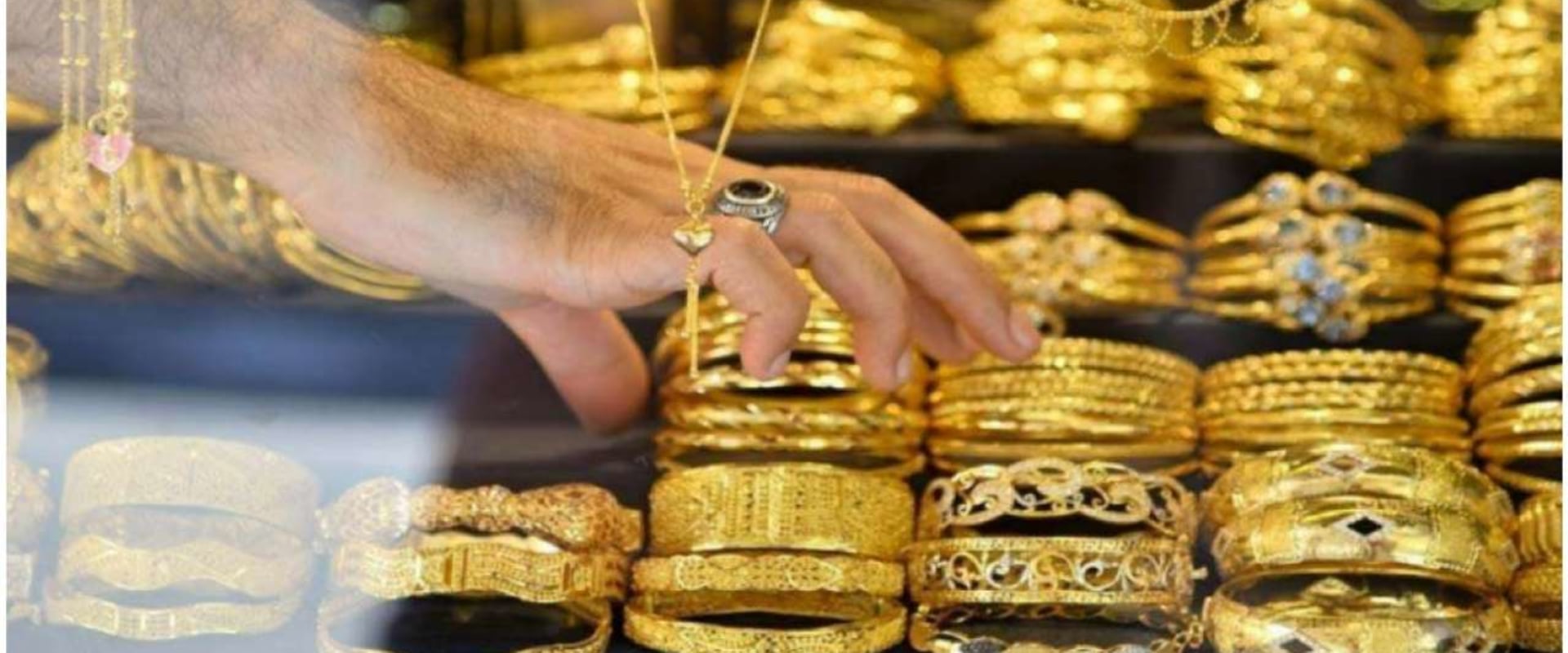
- Jewelry: A significant portion of gold demand stems from the jewelry industry, particularly in countries like India and China where gold jewelry holds cultural significance.
- Investment: Investors often turn to gold as a safe haven during economic uncertainty. This includes purchases of physical gold, such as coins and bars, as well as financial products like gold IRAs.
- Industrial Use: Gold is also used in electronics and other industrial applications, contributing to its overall demand.
Market Influences
The price of gold is also affected by broader market conditions.
For instance:
- Inflation: Gold is often viewed as a hedge against inflation. When inflation rises, the purchasing power of currency declines, leading investors to seek out gold as a more stable store of value.
-
Currency Strength: The strength of the U. S. dollar plays a crucial role in gold pricing.
A weaker dollar makes gold cheaper for foreign investors, increasing demand and driving up prices.
- Geopolitical Tensions: Uncertainty due to geopolitical events can lead to increased investment in gold as a safe haven asset.
Economic Factors Influencing Gold Prices
The price of gold is significantly influenced by various economic factors, which can create fluctuations in its value. Understanding these factors is crucial for investors, especially those considering a gold IRA as part of their retirement strategy.Inflation Rates
One of the primary economic indicators affecting gold prices is inflation. When inflation rises, the purchasing power of currency decreases, leading investors to seek out gold as a hedge against this erosion of value.
Historically, gold has been viewed as a safe haven during periods of high inflation. For instance, during the 1970s, when inflation rates soared, gold prices followed suit, reaching unprecedented levels. Investors often turn to gold to preserve their wealth when they anticipate that inflation will continue to rise.
Currency Strength
The strength of the US dollar plays a pivotal role in determining gold prices. A strong dollar typically makes gold more expensive for foreign investors, which can lead to decreased demand and lower prices.
Conversely, when the dollar weakens, gold becomes more affordable for international buyers, often resulting in increased demand and higher prices. This inverse relationship between the dollar and gold is a fundamental principle in the commodities market.
Interest Rates
Interest rates also have a significant impact on gold prices. When interest rates are low, the opportunity cost of holding non-yielding assets like gold decreases. This scenario encourages more investors to buy gold as they seek to protect their wealth from potential economic downturns.
On the other hand, when interest rates rise, the appeal of holding gold diminishes since investors can earn better returns from interest-bearing assets. Therefore, monitoring central bank policies and interest rate trends is essential for predicting movements in gold prices.
Geopolitical Stability
In addition to these economic factors, geopolitical stability can also influence gold prices. During times of political uncertainty or conflict, investors often flock to gold as a safe haven asset. Events such as wars, trade disputes, or significant political changes can lead to increased demand for gold, driving up its price.
In summary, understanding the interplay between inflation rates, currency strength, interest rates, and geopolitical stability is vital for anyone looking to invest in gold or consider a gold IRA.
These economic factors not only affect the current price of gold but also provide insights into future trends that could impact investment strategies.
Geopolitical Tensions and Their Impact on Gold Prices
Geopolitical tensions have long been recognized as a significant driver of gold prices. When uncertainty looms on the global stage, investors often seek refuge in gold, viewing it as a safe haven asset. This behavior is rooted in gold's historical role as a store of value, particularly during times of crisis. For instance, conflicts such as the ongoing tensions between major military powers can lead to increased volatility in financial markets. Investors, wary of potential economic fallout, tend to flock to gold, which is perceived as a more stable investment compared to stocks or bonds.This surge in demand can lead to a rapid increase in gold prices. Moreover, geopolitical events can create ripple effects that impact global economies. For example, sanctions imposed on countries involved in conflicts can disrupt trade and lead to inflationary pressures. As currencies fluctuate and economic stability wavers, the appeal of gold often rises. Investors may view gold not only as a hedge against inflation but also as a safeguard against currency devaluation. Recent examples illustrate this phenomenon.
The military buildup along the borders of Ukraine by Russia has heightened fears of conflict, prompting many investors to increase their gold holdings. Similarly, tensions in the Middle East have historically led to spikes in gold prices as investors react to the potential for disruption in oil supplies and broader economic instability. In addition to direct conflicts, political instability within countries can also drive up gold prices. For instance, elections that result in unexpected outcomes or governmental changes can create uncertainty that drives investors towards gold. The perception that a government may not be able to maintain economic stability can lead to increased demand for this precious metal. In summary, geopolitical tensions significantly influence gold prices by driving investor behavior towards this traditional safe haven asset.
As global conflicts arise and uncertainties mount, the demand for gold typically increases, leading to higher prices and reinforcing its status as a reliable store of value during turbulent times.
Market Speculation and Gold Price Volatility
Market speculation plays a significant role in the fluctuations of gold prices, often leading to periods of volatility that can impact investors and the broader economy. Speculators, who buy and sell gold based on anticipated price movements rather than intrinsic value, can create rapid changes in demand that drive prices up or down. This behavior is particularly pronounced in times of economic uncertainty, where gold is viewed as a safe haven asset. One of the primary ways speculation affects gold prices is through the formation of gold bubbles. A bubble occurs when the price of gold rises significantly beyond its intrinsic value, driven by excessive buying fueled by speculation.During these periods, investors may overlook fundamental factors such as supply and demand dynamics, focusing instead on short-term price trends. As more investors jump on the bandwagon, prices can soar to unsustainable levels. However, these bubbles are often followed by sharp corrections. When market sentiment shifts or external factors—such as changes in interest rates or geopolitical events—come into play, speculators may quickly sell off their holdings to lock in profits or cut losses. This can lead to a rapid decline in gold prices, leaving many investors with diminished returns. Moreover, the volatility in the gold market can be exacerbated by external economic indicators.
For instance, if inflation rates rise or if there are signs of economic instability, speculators may flock to gold as a hedge against potential losses in other asset classes. Conversely, if economic conditions stabilize and confidence returns to the stock market, demand for gold may wane, leading to price drops. In summary, while market speculation can drive gold prices higher during periods of uncertainty, it also introduces a level of volatility that can result in significant price corrections. Understanding this dynamic is crucial for investors looking to navigate the complexities of the gold market effectively.
The Role of Central Banks in Gold Pricing
Central banks play a pivotal role in shaping the dynamics of gold prices through their strategic buying and selling activities, as well as their overarching monetary policies. As major holders of gold reserves, these institutions significantly influence market sentiment and the overall demand for gold.Central Banks and Gold Reserves
Gold has long been viewed as a safe-haven asset, and central banks around the world maintain substantial gold reserves as part of their monetary policy framework.
These reserves serve multiple purposes:
- Stability: Gold acts as a buffer against economic instability and currency fluctuations.
- Diversification: Holding gold helps diversify a central bank's asset portfolio, reducing risk.
- Inflation Hedge: In times of rising inflation, gold often retains its value better than fiat currencies.
Monetary Policy Impact on Gold Prices
The monetary policies enacted by central banks also have profound implications for gold pricing. When central banks adopt expansionary monetary policies, such as lowering interest rates or implementing quantitative easing, the value of fiat currencies often declines. This depreciation can drive investors toward gold as a more stable store of value, thereby increasing its price. Conversely, when central banks tighten monetary policy by raising interest rates, the opportunity cost of holding non-yielding assets like gold increases.
This can lead to decreased demand for gold and subsequently lower prices. Therefore, understanding the current stance of a central bank is crucial for predicting potential movements in gold prices.
Central Bank Buying Trends
In recent years, there has been a noticeable trend among central banks to increase their gold purchases. Countries such as China and Russia have been actively expanding their gold reserves, often citing the need to reduce reliance on the US dollar and enhance national financial security. This trend not only reflects a strategic shift in global economic power but also contributes to upward pressure on gold prices due to increased demand.
As central banks continue to adjust their strategies regarding gold reserves and monetary policies, their actions will remain a critical factor influencing the price of this precious metal.
Investors should closely monitor these developments to better understand market trends and make informed decisions regarding their own investments in gold.
Consumer Demand for Gold: Jewelry and Industrial Uses
The demand for gold is significantly influenced by its various applications, particularly in the jewelry sector and industrial uses. Understanding these consumer demands is crucial for grasping how they impact gold prices.Jewelry Industry Impact on Gold Prices
The jewelry industry is one of the largest consumers of gold, accounting for a substantial portion of global demand. In many cultures, gold jewelry is not only a symbol of wealth but also a traditional gift for significant life events such as weddings and anniversaries. This cultural significance drives consistent demand, particularly in countries like India and China, where gold holds deep-rooted value. As consumer preferences shift towards more intricate and high-quality designs, the demand for higher karat gold has increased.
This trend can lead to fluctuations in gold prices, especially during festive seasons when purchases peak. For instance, during the Diwali festival in India, there is often a surge in gold buying, which can temporarily elevate prices due to increased demand.
Industrial Uses of Gold
Beyond jewelry, gold has numerous industrial applications that contribute to its demand. Its unique properties—such as excellent conductivity, resistance to corrosion, and malleability—make it invaluable in electronics and technology. Gold is used in the manufacturing of connectors, switches, and other components in smartphones, computers, and medical devices.
The rise of technology-driven industries has led to an increase in the consumption of gold for these purposes.
As innovation continues to advance, particularly in fields like renewable energy and nanotechnology, the industrial demand for gold is expected to grow further.
Conclusion
In summary, consumer demand for gold from both the jewelry and industrial sectors plays a pivotal role in determining its market price. As cultural trends evolve and technological advancements continue, understanding these dynamics will be essential for investors looking to navigate the complexities of the gold market.
Investing in Gold: The Case for Gold IRAs
Investing in a Gold IRA offers a unique opportunity for individuals looking to diversify their retirement portfolios while safeguarding their assets against inflation and market fluctuations. Unlike traditional IRAs that typically hold stocks, bonds, or mutual funds, a Gold IRA allows investors to include physical gold and other precious metals in their retirement savings. This can be particularly advantageous in times of economic uncertainty.Benefits of a Gold IRA
-
Inflation Hedge: Gold has historically been viewed as a reliable hedge against inflation.
As the cost of living rises, the value of gold tends to increase, preserving purchasing power over time. This characteristic makes gold an attractive option for retirement planning, especially during periods of high inflation.
- Market Volatility Protection: The stock market can be unpredictable, with values fluctuating based on various factors such as economic reports and geopolitical events. Gold often moves inversely to the stock market; when stocks decline, gold prices may rise. This inverse relationship can help stabilize your portfolio during turbulent times.
-
Diversification: Including gold in your retirement account can enhance diversification.
A well-diversified portfolio reduces risk by spreading investments across different asset classes. By adding gold, you can mitigate potential losses from other investments that may be underperforming.
- Tax Advantages: A Gold IRA provides the same tax benefits as traditional IRAs. Contributions may be tax-deductible, and the investment grows tax-deferred until withdrawal during retirement. This can lead to significant tax savings over time.
Investing in a Gold IRA
To invest in a Gold IRA, individuals must work with a custodian who specializes in precious metals.
The process typically involves setting up a self-directed IRA account, funding it through contributions or rollovers from existing retirement accounts, and then purchasing eligible gold products such as bullion coins or bars.
It’s essential to choose high-quality gold products that meet IRS standards for purity and weight. Common options include American Gold Eagles, Canadian Gold Maple Leafs, and other government-minted coins. Investors should also consider storage options; physical gold must be stored in an approved depository to comply with IRS regulations.
Retirement Planning with Gold IRAs
Incorporating a Gold IRA into your retirement strategy can provide peace of mind knowing that your assets are protected against economic downturns. As you plan for retirement, consider how much of your portfolio you want to allocate to precious metals based on your risk tolerance and investment goals.
Consulting with a financial advisor experienced in precious metals can help tailor your investment strategy to meet your specific needs. In conclusion, investing in a Gold IRA not only offers potential financial benefits but also serves as a strategic move to secure your future against inflation and market volatility. As you navigate your retirement planning journey, consider the advantages that a Gold IRA can bring to your overall investment strategy.
Future Trends: What to Expect for Gold Prices?
As we look ahead, the future of gold prices is shaped by a multitude of factors that intertwine economic indicators, geopolitical events, and market sentiment. Understanding these elements can provide valuable insights for investors considering a gold IRA or other gold investments.Economic Indicators and Inflation
One of the most significant drivers of gold prices is inflation. Historically, gold has been viewed as a hedge against inflation, meaning that as the cost of living rises, so does the demand for gold.
With central banks around the world adopting loose monetary policies and increasing money supply, inflationary pressures are likely to persist. This scenario could lead to a surge in gold prices as investors seek to protect their wealth.
Geopolitical Tensions
Geopolitical instability often leads to increased demand for gold. Events such as military conflicts, trade wars, or political unrest can create uncertainty in financial markets, prompting investors to flock to gold as a safe haven. For instance, ongoing tensions in regions like Eastern Europe or the Middle East could trigger spikes in gold prices as investors react to potential risks.
Market Sentiment and Speculation
The psychology of investors plays a crucial role in determining gold prices.
Market sentiment can shift rapidly based on news cycles, economic reports, or changes in government policy. Speculators may drive prices up or down based on their expectations of future movements. Therefore, monitoring investor sentiment through various indicators can provide clues about potential price trends.
Long-Term Outlook for Gold Investment
Experts predict that the long-term outlook for gold remains positive. As more individuals recognize the importance of diversifying their portfolios with tangible assets like gold, demand is expected to grow.
Additionally, with the increasing popularity of gold IRAs, which allow investors to hold physical gold in tax-advantaged retirement accounts, we may see a sustained increase in demand. In conclusion, while short-term fluctuations are inevitable due to market dynamics and external factors, the long-term trends suggest that gold will continue to be a vital asset for investors seeking stability and protection against economic uncertainties.
Conclusion: Key Takeaways on Gold Price Dynamics
Understanding the dynamics of gold prices is crucial for investors looking to navigate the complexities of the financial market. Throughout this article, we have explored various factors that contribute to fluctuations in gold prices, each playing a significant role in shaping investor sentiment and market behavior.1.Market Sentiment and Economic Indicators:
The relationship between gold prices and economic indicators cannot be overstated. When economic uncertainty looms, such as during a recession or geopolitical tensions, investors often flock to gold as a safe haven. This increased demand can lead to a rise in prices, reflecting the metal's status as a reliable store of value.
2.Inflation and Currency Strength:
Inflationary pressures tend to drive gold prices higher.
As the purchasing power of fiat currencies declines, gold becomes an attractive alternative for preserving wealth. Additionally, a weakening U. dollar typically correlates with rising gold prices, as it allows investors to purchase more gold with less currency.
3.Supply and Demand Dynamics:
The fundamental principles of supply and demand are pivotal in determining gold prices. Factors such as mining output, production costs, and consumer demand for jewelry and electronics can significantly influence market prices.
A decrease in supply due to mining challenges or increased demand from emerging markets can create upward pressure on prices.
4.Speculation and Market Trends:
Speculative trading can lead to rapid price changes in the gold market. Traders often react to short-term trends, which can result in price bubbles or sharp corrections. Understanding these speculative behaviors is essential for investors aiming to make informed decisions.
5.Long-Term Investment Perspective:
For those considering a gold IRA, it is vital to adopt a long-term investment perspective. While short-term fluctuations may be unsettling, historical trends show that gold has maintained its value over time, making it a prudent choice for wealth preservation.
In conclusion, the interplay of economic factors, market sentiment, and supply-demand dynamics creates a complex landscape for gold pricing.
Investors must remain vigilant and informed about these elements to effectively navigate their investment strategies in the precious metals market.