The Future of Gold: Will It Maintain Its Value Over Time?
Explore the enduring value of gold as an investment. Learn how gold can hedge against inflation and economic uncertainty.

Gold has long been revered as a symbol of wealth and prosperity, serving not only as a form of currency but also as a store of value throughout history. From ancient civilizations that used gold for trade to modern investors seeking stability in their portfolios, the allure of this precious metal remains strong. As we navigate through economic uncertainties, understanding gold as an investment becomes increasingly crucial. Its unique properties, such as scarcity and intrinsic value, make it a compelling option for those looking to safeguard their financial future. One of the most significant aspects of gold is its historical performance during times of economic turmoil.
Unlike fiat currencies that can be printed at will, gold is finite and has maintained its purchasing power over centuries. This characteristic positions gold as a reliable hedge against inflation and currency devaluation. Investors often turn to gold during periods of market volatility, viewing it as a safe haven that can preserve wealth when other assets falter. The concept of a Unlike fiat currencies that can be printed at will, gold is finite and has maintained its purchasing power over centuries. This characteristic positions gold as a reliable hedge against inflation and currency devaluation. Investors often turn to gold during periods of market volatility, viewing it as a safe haven that can preserve wealth when other assets falter. The concept of a Gold IRA has emerged as a popular way for individuals to incorporate physical gold into their retirement portfolios, allowing them to benefit from its long-term value retention while enjoying tax advantages. Moreover, the demand for gold is not solely driven by investment purposes; it also plays a vital role in various industries, including jewelry and technology.
This multifaceted demand contributes to its enduring value, making it less susceptible to drastic price fluctuations compared to other commodities. As we delve deeper into the dynamics of gold investment, it is essential to consider both its historical significance and its potential role in modern financial strategies. By understanding these elements, investors can make informed decisions about incorporating gold into their portfolios and potentially reaping the benefits of this timeless asset.
Historical Performance of Gold
The historical performance of gold is a fascinating narrative that reflects its enduring value across various economic climates. Over centuries, gold has been revered not only as a precious metal but also as a reliable store of wealth.To understand its long-term value retention, it is essential to examine key periods in history where gold prices have fluctuated significantly. In the early 1970s, for instance, the United States abandoned the gold standard, which had pegged the dollar to a specific amount of gold. This pivotal moment led to a surge in gold prices, which skyrocketed from around $35 per ounce in 1971 to over $800 by 1980. This dramatic increase was largely driven by inflation and economic uncertainty, showcasing gold's role as a hedge against currency devaluation. Fast forward to the 2000s, and we see another significant rise in gold prices. Following the financial crisis of 2008, investors flocked to gold as a safe haven amidst fears of economic instability.
From approximately $700 per ounce in 2008, gold prices surged to over $1,900 by 2011. This period highlighted how global crises can lead to increased demand for gold, reinforcing its status as a protective asset. Moreover, the performance of gold during times of geopolitical tension further emphasizes its value retention. For example, during conflicts such as the Gulf War and the more recent tensions in Eastern Europe, gold prices often spiked as investors sought security in tangible assets. In addition to these historical events, it is crucial to consider long-term trends. Over the past two decades, gold has generally trended upward, with notable corrections along the way. The average annual return on gold has been approximately 6.4%, which outpaces many traditional investments like stocks and bonds during similar periods. In summary, analyzing the historical performance of gold reveals that it has consistently maintained its value over time, particularly during periods of economic distress and inflation.
As investors look for ways to safeguard their wealth against market volatility and currency fluctuations, understanding these historical trends becomes vital in making informed decisions about incorporating gold into their investment portfolios.
Gold as a Hedge Against Inflation
Gold has long been regarded as a reliable hedge against inflation , a characteristic that has made it a favored asset among investors seeking to preserve their purchasing power during periods of rising prices. As inflation erodes the value of currency, the price of gold tends to rise, making it an attractive option for those looking to safeguard their wealth. Historically, during times of economic uncertainty and high inflation, gold has demonstrated its ability to maintain value. For instance, in the 1970s, when inflation rates soared, gold prices surged dramatically. This trend is not merely anecdotal; it is supported by data showing that gold often outperforms other asset classes during inflationary periods. , a characteristic that has made it a favored asset among investors seeking to preserve their purchasing power during periods of rising prices. As inflation erodes the value of currency, the price of gold tends to rise, making it an attractive option for those looking to safeguard their wealth. Historically, during times of economic uncertainty and high inflation, gold has demonstrated its ability to maintain value. For instance, in the 1970s, when inflation rates soared, gold prices surged dramatically. This trend is not merely anecdotal; it is supported by data showing that gold often outperforms other asset classes during inflationary periods.Investors who allocated a portion of their portfolios to gold during these times typically found that their investments held up better than those concentrated in cash or bonds. One reason for gold's effectiveness as an inflation protection tool lies in its intrinsic value. Unlike fiat currencies, which can be printed in unlimited quantities by governments, gold is a finite resource. This scarcity means that as demand increases—especially during economic turmoil—the price of gold tends to rise. Furthermore, central banks around the world often turn to gold as a reserve asset during inflationary periods, further driving up its value. When comparing gold vs inflation , it is essential to consider the long-term perspective.
While short-term fluctuations in gold prices can occur due to market sentiment or geopolitical events, the long-term trend has shown that gold retains its purchasing power over decades. This resilience makes it a compelling choice for investors looking to hedge against the unpredictable nature of inflation. Incorporating gold into an investment strategy can provide a buffer against the adverse effects of inflation. Many financial advisors recommend allocating a certain percentage of one’s portfolio to gold or gold IRAs, which allow investors to hold physical gold in a tax-advantaged retirement account. This approach not only helps protect against inflation but also diversifies an investment portfolio, reducing overall risk. In conclusion, while no investment is without risk, the historical performance of gold as an inflation hedge suggests that it can be an effective tool for preserving wealth in uncertain economic times.
As inflation continues to be a concern for many investors, understanding the role of gold in maintaining value becomes increasingly important.
The Role of Gold in Economic Uncertainty
In times of economic uncertainty, the perception of gold as a safe haven asset becomes increasingly pronounced. Investors often turn to gold during periods of financial instability, seeking to protect their wealth from the volatility of other investment vehicles. This trend is not merely anecdotal; historical data supports the notion that gold tends to retain its value when other assets falter. During recessions, for instance, the demand for gold typically surges. As stock markets decline and economic indicators signal trouble, investors look for stability.Gold has a long-standing reputation for being a reliable store of value, which is why it often sees increased interest during downturns. The 2008 financial crisis serves as a prime example; as confidence in traditional financial systems waned, gold prices soared, reflecting its status as a refuge for anxious investors. Moreover, gold's intrinsic value is not tied to any single currency or government policy, making it an attractive option when geopolitical tensions rise or when inflation threatens purchasing power. Unlike fiat currencies that can be printed at will, gold is finite and cannot be devalued through excessive supply. This characteristic enhances its appeal during times of economic distress. Additionally, central banks around the world often increase their gold reserves during uncertain times.
This behavior underscores the belief that gold can act as a buffer against currency fluctuations and economic instability. When central banks buy gold, it signals to investors that they view it as a critical asset for maintaining financial security. In summary, the role of gold in economic uncertainty is multifaceted. It serves not only as a hedge against inflation and currency devaluation but also as a psychological anchor for investors seeking stability amidst chaos. As history has shown, during periods of recession and financial turmoil, the demand for gold tends to rise significantly, reinforcing its status as a reliable investment in uncertain times.
Factors Influencing Gold Prices
The value of gold is influenced by a myriad of factors that can fluctuate based on global events, economic conditions, and market dynamics.Understanding these influences is crucial for investors looking to navigate the complexities of the gold market.
1.Geopolitical Events
Gold is often viewed as a safe-haven asset during times of geopolitical uncertainty. Events such as wars, political instability, and diplomatic tensions can lead to increased demand for gold as investors seek to protect their wealth. For instance, during conflicts or crises, the price of gold typically rises as people move their investments away from riskier assets.
2.Currency Fluctuations
The strength of the U. S.
dollar plays a significant role in determining gold prices. Since gold is priced in dollars, a weaker dollar makes gold cheaper for foreign investors, thereby increasing demand and driving up prices. Conversely, when the dollar strengthens, gold becomes more expensive for those using other currencies, which can lead to a decrease in demand.
3.Inflation and Interest Rates
Gold is often seen as a hedge against inflation. When inflation rises, the purchasing power of currency declines, leading investors to turn to gold as a store of value.
Additionally, low interest rates make holding gold more attractive since the opportunity cost of not investing in interest-bearing assets decreases. As central banks implement loose monetary policies and keep interest rates low, gold prices tend to rise.
4.Market Demand and Supply
The basic principles of supply and demand also significantly impact gold prices. Increased demand from sectors such as jewelry manufacturing and technology can drive prices higher. On the supply side, mining production levels and discoveries of new gold reserves can affect availability.
If supply diminishes while demand remains steady or increases, prices are likely to rise.
5.Speculation and Investment Trends
Investor sentiment and speculative trading can lead to short-term fluctuations in gold prices. When investors anticipate future price increases, they may buy large quantities of gold, pushing prices up further. Conversely, if sentiment turns negative or if there are signs of economic recovery that reduce the appeal of safe-haven assets, prices may drop.
In summary, the interplay between geopolitical events, currency values, inflation rates, market demand and supply dynamics, along with investor sentiment all contribute to the complex landscape that determines gold prices. For those considering a gold IRA, understanding these factors is essential for making informed investment decisions.
Investing in Gold: Options and Strategies
Investing in gold can be a strategic move for those looking to diversify their portfolios and hedge against economic uncertainty.There are several methods to invest in gold, each with its own advantages and considerations.
Physical Gold
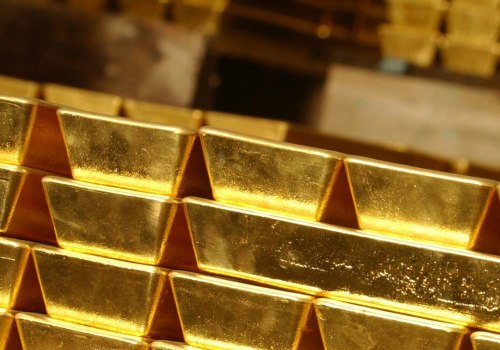
One of the most traditional ways to invest in gold is through the purchase of physical gold. This can include:- Gold Bullion: These are bars or ingots of gold that are typically bought for their intrinsic value. They come in various weights and purities, making them a flexible option for investors.
- Gold Coins: Coins such as the American Gold Eagle or the Canadian Maple Leaf are popular among collectors and investors alike. They often carry a premium over the spot price of gold due to their numismatic value.
- Gold Jewelry:Gold Jewelry: While not typically considered an investment, high-quality gold jewelry can retain value and be sold if needed.
Gold ETFs
Exchange-Traded Funds (ETFs) offer a more convenient way to invest in gold without the need for physical storage.Gold ETFs track the price of gold and can be bought and sold like stocks on major exchanges. Some benefits include:
- Liquidity: ETFs can be easily traded during market hours, providing quick access to your investment.
- Diversification: Many ETFs hold a variety of gold-related assets, which can help spread risk.
- No Storage Issues: Since you don’t own physical gold, there’s no need to worry about secure storage or insurance.
Gold IRAs
A Gold IRA, or Individual Retirement Account, allows investors to hold physical gold as part of their retirement savings. This option combines the benefits of tax-advantaged retirement accounts with the stability of gold investments. Key points to consider include:- Tax Benefits: Gold IRAs offer tax-deferred growth, meaning you won’t pay taxes on gains until you withdraw funds during retirement.
- Regulatory Compliance: It’s crucial to work with a custodian that specializes in precious metals to ensure compliance with IRS regulations.
- Diverse Holdings: A Gold IRA can include various forms of gold, such as bullion and coins, providing flexibility in your investment strategy.
Understanding these options will help you make informed decisions about incorporating gold into your portfolio.
Risks Associated with Gold Investment
Investing in gold can be a strategic move for many, but it is essential to understand the risks associated with gold investment. While gold has historically been viewed as a safe haven, it is not without its challenges. One of the primary concerns for investors is the volatility in the gold market. Prices can fluctuate significantly due to various factors, including economic conditions, geopolitical tensions, and changes in currency values. Market volatility can lead to sudden price declines, which may catch investors off guard.For instance, during periods of economic stability, gold prices may drop as investors shift their focus to equities or other assets that promise higher returns. Conversely, during times of uncertainty, demand for gold may surge, driving prices up. This cyclical nature of the market means that investors must be prepared for both upward and downward movements. Another risk to consider is the lack of income generation from gold investments. Unlike stocks or bonds that provide dividends or interest payments, gold does not yield any cash flow.
This characteristic can be a disadvantage for those seeking regular income from their investments. As a result, investors must rely solely on price appreciation to realize gains. Additionally, the costs associated with buying and storing physical gold can add another layer of risk. Investors who choose to purchase physical gold must consider expenses such as storage fees, insurance, and potential premiums over spot prices. These costs can eat into profits and should be factored into any investment decision. Moreover, regulatory changes can impact the gold market.
Governments may impose taxes on gold transactions or alter policies regarding ownership and trading. Such changes can create uncertainty and affect market dynamics. In conclusion, while investing in gold can offer a hedge against inflation and currency devaluation, it is crucial for investors to approach this asset class with caution. Understanding the risks of investing in gold , including market volatility and associated costs, is vital for effective risk management. By being aware of these factors, investors can make informed decisions that align with their financial goals.
Comparing Gold to Other Investment Assets
When considering investment options, it is essential to evaluate how gold stacks up against other assets such as stocks and bonds.Each asset class has its unique characteristics, benefits, and drawbacks, which can significantly impact an investor's portfolio.
Gold vs. Stocks
Historically, stocks have provided higher returns compared to gold over the long term. The average annual return for the stock market has hovered around 7-10%, depending on the time frame considered. However, this comes with increased volatility and risk.
Stock prices can fluctuate dramatically due to market conditions, economic indicators, and company performance.
In contrast, gold tends to be less volatile and often serves as a safe haven during economic downturns. When stock markets decline, investors frequently flock to gold, driving its price up. This inverse relationship can make gold a valuable component of a diversified portfolio, providing stability when other investments falter.
Comparing Investments
When comparing gold to bonds, the dynamics shift slightly. Bonds are generally considered safer than stocks but offer lower returns.
They provide fixed interest payments and return the principal at maturity, making them a reliable income source. However, in times of rising inflation or interest rates, bond prices can fall.
Gold does not generate income like bonds; instead, it relies on appreciation in value. This characteristic makes it less appealing for income-focused investors but attractive for those looking to hedge against inflation and currency devaluation.
Asset Allocation with Gold
Incorporating gold into an investment strategy can enhance overall portfolio performance by reducing risk and increasing diversification. Financial experts often recommend allocating 5-10% of a portfolio to gold or other precious metals.
This allocation can help mitigate losses during market downturns while still allowing for growth through equities and other investments.
- Diversification: Gold's low correlation with stocks and bonds means it can help balance out the risks associated with these assets.
- Inflation Hedge: Gold has historically maintained its purchasing power during inflationary periods, making it a strategic asset in uncertain economic climates.
- Market Stability: As a tangible asset, gold often retains value when financial markets are unstable.
Future Outlook for Gold Prices
As we look ahead, the future of gold prices remains a topic of significant interest among investors and financial analysts alike. Various factors are expected to influence the value of gold in the coming years, and understanding these elements can help investors make informed decisions. One of the primary drivers of gold prices is inflation. Historically, gold has served as a hedge against rising prices.As central banks around the world continue to implement loose monetary policies, including low interest rates and quantitative easing, inflationary pressures may increase. This scenario could lead to a surge in demand for gold as a safe haven asset, pushing its price higher. Another critical factor is the geopolitical landscape. Uncertainty stemming from political tensions, trade wars, or global conflicts often drives investors toward gold. For instance, during times of crisis, such as the COVID-19 pandemic, gold prices tend to rise as people seek stability.
If geopolitical tensions escalate in the future, we may see a similar trend. Additionally, the strength of the U. dollar plays a vital role in determining gold prices. A weaker dollar typically makes gold cheaper for foreign investors, increasing demand and consequently driving up prices. Conversely, if the dollar strengthens due to economic recovery or interest rate hikes, gold may face downward pressure. Experts also point to the growing interest in gold-backed investment vehicles , such as Gold IRAs and ETFs.
As more individuals seek to diversify their portfolios with tangible assets, these investment options could further bolster demand for gold. In summary, while predicting exact future prices is challenging due to market volatility and external factors, many analysts believe that gold will maintain its value over time. The combination of inflationary pressures, geopolitical uncertainties, currency fluctuations, and increased investment interest suggests a positive long-term outlook for gold as an investment vehicle.
Conclusion: The Long-Term Value of Gold
In summary, the question of whether gold will maintain its value over time is complex and multifaceted. Throughout history, gold has proven to be a resilient asset, often serving as a safe haven during periods of economic uncertainty and inflation. Its intrinsic value, derived from its rarity and universal acceptance, positions it as a reliable store of wealth. While it is essential to acknowledge the risks associated with investing in gold, such as market volatility and potential price fluctuations, the long-term trends suggest that gold has consistently outperformed many other asset classes during turbulent times.For instance, during economic downturns or periods of high inflation, investors have historically turned to gold as a protective measure, which has helped sustain its value. Moreover, the diversification benefits of including gold in an investment portfolio cannot be overlooked. As a non-correlated asset, gold often behaves differently than stocks and bonds, providing a buffer against market downturns. This characteristic makes it an attractive option for investors looking to mitigate risk. It is also worth noting that the methods of investing in gold have evolved significantly. From traditional physical gold purchases to modern financial instruments like gold IRAs, investors now have various avenues to gain exposure to this precious metal.
Gold IRAs not only allow for tax-advantaged growth but also provide a way to hold physical gold within a retirement account, further enhancing its appeal. Ultimately, while no investment is without risk, the historical performance of gold suggests that it is likely to maintain its value over time. As global economic conditions continue to fluctuate and uncertainties loom on the horizon, gold remains a steadfast option for those seeking to preserve their wealth and safeguard their financial future.